Mineral fertilizer investors in Thailand often estimate a rock phosphate manufacturing plant cost before they build a processing line. The investment depends on rock hardness, grinding fineness, granulation method, and plant capacity. Phosphate rock moves through crushing, grinding, mixing, granulation, drying, and packing in a complete fertilizer manufacturing system. When you plan a rock phosphate plant in Thailand, you review ore quality, equipment scope, and the fertilizer production investment.
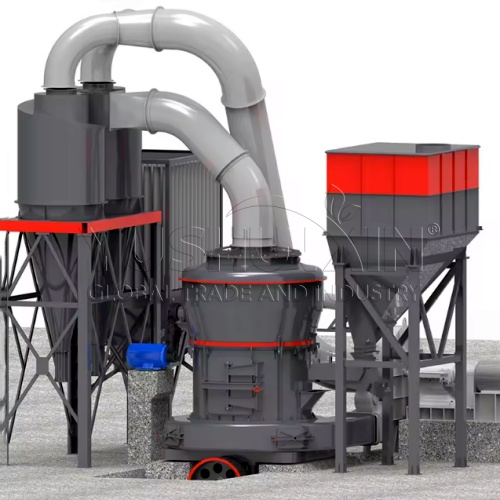
rock phosphate manufacturing plant cost
Which rock phosphate manufacturing plant cost system suits a Thai mineral fertilizer project?
A rock phosphate manufacturing plant cost system suits a Thai mineral fertilizer project when the crushing, grinding, and granulation stages match the ore hardness. You can use a jaw crusher for primary breaking, a ball mill for fine grinding, and a pan granulator for pelletizing. A rotary dryer then removes moisture before screening and packing. This layout keeps the fertilizer manufacturing process stable and protects the fertilizer machinery from overload.
How does a rock phosphate manufacturing plant cost line handle grinding and granulation?
A rock phosphate manufacturing plant cost line handles grinding and granulation by moving the ore from the crusher to the ball mill and then to the pan granulator. Mineral fertilizer granulation technology helps you set the powder mesh and moisture so the granules form with a high granulation rate. A rotary dryer and a screening machine then stabilize the pellets. This sequence supports continuous mineral fertilizer production in Thailand.
Which capacity and ore factors should Thai investors review?
Thai investors can review ore hardness, feed size, annual capacity, and local energy cost. You can compare the general definitions for mineral fertilizer when you set the nutrient content and product standard. A larger mill and dryer support high output, while a smaller line suits a pilot project. This planning helps you keep the fertilizer production investment predictable.
Which auxiliary equipment completes a rock phosphate fertilizer plant?
A ball mill, a mixer, a pan granulator, a rotary dryer, and a screening machine complete a rock phosphate fertilizer plant. You can add a packing scale for bagged product or a bulk loading system for export. This equipment arrangement reduces dust and keeps the fertilizer granulation line ready for storage and transport.
How does a rock phosphate manufacturing plant cost line support export-grade granules in Thailand?
A rock phosphate manufacturing plant cost line supports export-grade granules in Thailand by controlling particle size, moisture, and granule strength. You can grind the phosphate rock to a uniform mesh, form round pellets on the pan granulator, and dry them to a stable moisture level. A screening machine then separates the target size for container loading. This sequence protects the mineral fertilizer processing plant and improves the fertilizer granulation line.
To summarize, a rock phosphate manufacturing plant cost depends on ore hardness, grinding fineness, granulation method, and capacity. You can combine crushing, milling, granulation, drying, and screening in one fertilizer manufacturing system. A mineral fertilizer equipment manufacturer can help you configure the Thai project. Yushunxin provides this rock phosphate processing equipment. If you have interests, you can learn more about https://www.mineralfertilizerproductionsolutions.com/product/rock-phosphate-fertilizer-production