When you plan an organic fertilizer project, reducing investment does not always mean choosing fewer machines or a smaller production target. The more important point is matching the equipment configuration with your real material supply, sales demand and future growth plan.
Many investors start by asking how much does an organic fertilizer plant cost, but the answer depends on many factors, including raw materials, production capacity, processing route and automation level.
Start With Your Actual Production Demand
A common challenge is selecting equipment based on a future expansion idea instead of current production conditions. If your available organic waste is limited, an oversized line may leave equipment underused and increase operating pressure.
Before planning your project, you can prepare an organic fertilizer plant cost estimate by checking your daily raw material supply, expected output, fertilizer type and available workshop space.
For example, a local compost supplier may prefer a compact powder fertilizer route, while a company targeting packaged granular fertilizer may need additional crushing, granulation, drying and screening equipment.
Balance Equipment Configuration and Investment
The processing route has a direct influence on investment. A complete granulated fertilizer line usually includes more stages than a simple compost processing system because it focuses on improving product appearance, storage performance and market value.
When you compare the commercial organic fertilizer production plant cost, you can look beyond the equipment price itself. The number of machines, energy consumption, maintenance requirements and future operation convenience also affect the long-term value of the project.
A practical design focuses on the equipment that supports your business goals instead of adding unnecessary functions.
Choose a Flexible Solution for Future Growth
Your project may start with a smaller output but expand after building a stable market. In this situation, a flexible layout can give you more options.
For customers searching for an organic fertilizer production line for sale Europe, the equipment arrangement can be planned around current needs while leaving space for future upgrades.
A modular design allows you to add capacity, improve automation or introduce additional processing steps when your business develops.
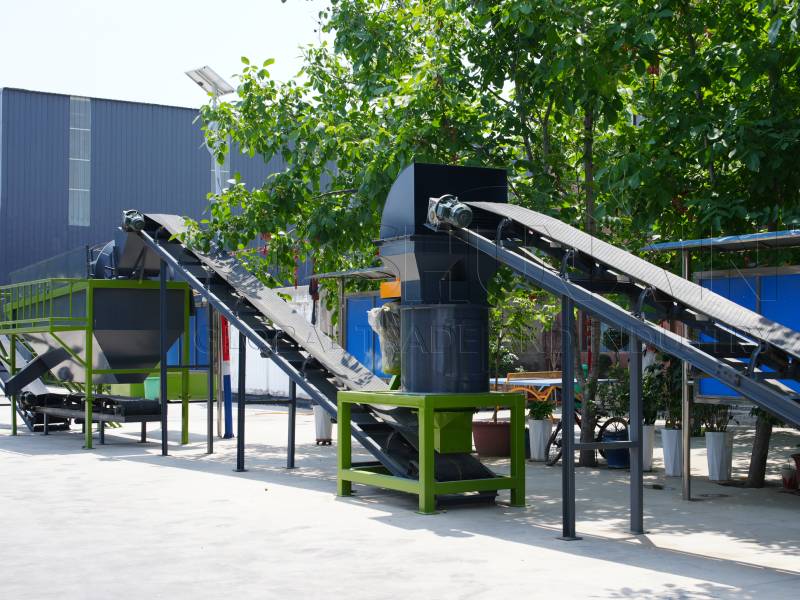
Connect Equipment Selection With Your Market Plan
The final equipment choice also depends on how you sell your fertilizer products. Local agricultural supply, wholesale distribution and commercial fertilizer brands may require different production approaches.
A clear organic fertilizer production business plan can help you understand your target customers, expected output and suitable processing route before investing in equipment.
If you want to learn more about planning a cost-effective organic fertilizer project, Click here for more details.
Reducing plant cost is not about making the line smaller than necessary. It is about creating a system that fits your materials, production goals and future market development.
For more information about organic fertilizer production plant cost, you can visit: https://www.shunxin.eu/organic-fertilizer-production-plant-cost/
No Responses