When considering the processing of chicken dung into high-value fertilizer, the use of carbon-based fertilizer equipment stands out as a modern solution for efficient, sustainable, and profitable operations. This approach not only transforms bird manure into a more environmentally friendly product but also enhances its value as a soil amendment. The advanced machinery involved in this process ensures consistent quality and streamlined production. This article examines the main advantages of using dedicated equipment for the production and granulation of carbon-based fertilizer from chicken manure, with a focus on the essential procedures, suitable raw materials, and critical equipment features.
What Raw Materials Are Suitable for Carbon-Based Fertilizer Production from Chicken Dung?
Selecting appropriate raw materials is crucial for producing effective carbon-based fertilizer from chicken dung. Chicken manure, including both fresh and aged bird dung, serves as the primary ingredient due to its rich organic content and nutrient density. However, the process frequently benefits from adding auxiliary carbon-rich materials. For example, rice husks, sawdust, straw powder, and crop stalks all provide additional carbon. These materials undergo preparation procedures such as drying and crushing, forming a homogeneous powdery mixture ideal for subsequent granulation.
In many production settings, blending chicken manure with biochar significantly enhances the final product’s structure and nutrient release profile. Biochar addition increases the carbon concentration and supports soil microbial activity. As such, efficient carbon-based fertilizer manufacturing relies on the versatility to handle different bulk materials, including powdered bird manure, charred agricultural residues, and composted organics. Proper selection and mixing of these raw materials lay the foundation for a smooth pelletizing process and a marketable end product.

Which Equipment Features Optimize the Chicken Dung Carbon Fertilizer Production Procedure?
The chicken manure carbon-based fertilizer manufacturing process typically involves several dedicated machines. Each piece of equipment plays a specific role, ensuring the transformation of raw poultry dung into uniform fertilizer granules or pellets. First, carbonization equipment, such as a carbonization furnace, converts organic matter into carbon-rich powdery material. This crucial procedure increases the fertilizer’s stability and nutrient retention capacity.
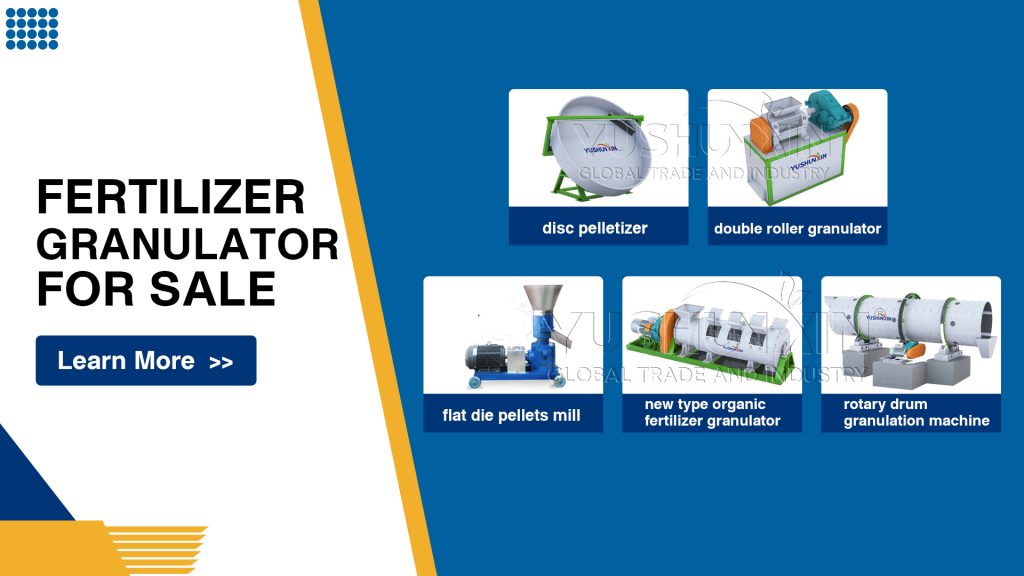
Next, a crushing machine, also known as a carbon fertilizer grinder, reduces dried chicken manure and carbon-rich residues into fine powder or small particles. Uniform powder size is essential for effective granulating and pellet making. Once the raw materials reach the desired fineness, a granulator—such as a disc granulator, double roller extrusion granulator, or new type organic fertilizer granulator—shapes the mixture into pellets or granules. These machines offer flexibility in controlling granule size and density, which is important for storage, transport, and application.
Additional equipment like compost turners, drying machines, and packing machines may be integrated into the process. A compost machine provides necessary aeration and mixing during the initial fermentation stage, while drying machinery removes excess moisture, ensuring the chicken manure-based carbon fertilizer granules remain stable during storage. Finally, a packing machine automates the bagging process, boosting operational efficiency.
How Does Carbon-Based Fertilizer Equipment Enhance Chicken Manure Processing Efficiency and Product Value?
Utilizing specialized carbon-based fertilizer equipment for processing chicken manure offers several concrete benefits. First, the use of pelletizers or granulators transforms powdery chicken dung into uniform particles or granules, which are less prone to dust, easier to handle, and more convenient for end users. Granule formation also improves the controlled release of nutrients, supporting long-term soil health.
Second, modern machines feature adjustable settings for granule size, machine output, and raw material compatibility. This adaptability allows producers to meet diverse market requirements and process various combinations of chicken dung and carbon-rich additives. Ensuring that every production stage—from powder preparation to pellet making—operates efficiently, the integrated machinery reduces labor costs, minimizes waste, and maximizes product consistency.
Third, implementing advanced chicken manure powder processing procedures, such as carbonization and mechanical granulation, significantly reduces unpleasant odors and harmful pathogens. This results in a safer and more environmentally friendly product. Automated granulating and pelletizing lines also streamline the overall production workflow, increasing throughput and profitability.
Conclusion
In summary, the integration of carbon-based fertilizer production equipment into chicken manure processing leads to higher value products, reduced environmental impact, and improved process efficiency. By selecting appropriate raw materials—such as bird dung, crop residue powder, and biochar—and utilizing advanced machinery for crushing, granulating, and drying, producers can achieve consistent, high-quality fertilizer granules or pellets. For customers seeking optimized solutions, partnering with a professional fertilizer equipment manufacturer like Yushunxin ensures access to reliable machines tailored to the unique requirements of carbon-based chicken manure fertilizer production. You can visit: https://www.charbasedfertilizermachine.com/product/chicken-dung-and-biochar-as-fertilizer/
No Responses