Operating a biogas plant generates digestate that can become a valuable raw material for commercial organic fertilizer. Instead of treating all digestate as a disposal challenge, biogas operators can integrate a digestate fertilizer pelletizing plant to convert its suitable solid fraction into marketable fertilizer granules. This approach creates an additional product stream while improving resource utilization.
1. Evaluate Digestate Before Adding Granulation Equipment
Before planning the integration, assess the existing biogas plant’s digestate output. Important factors include daily production volume, solid content, moisture, fiber content, and nutrient composition.
If the digestate contains excessive liquid, a solid-liquid separation system may be necessary. The separated solid fraction can then undergo further dewatering, composting, or conditioning according to its characteristics.
A suitable digestate to organic fertilizer production solution should match the existing plant’s output rather than simply follow a standard equipment configuration.
2. Connect the Digestate Treatment and Granulation Processes
An integrated production system may follow this workflow:
Digestate collection → Solid-liquid separation → Dewatering → Composting or conditioning → Crushing → Mixing → Granulation → Drying → Cooling → Screening → Packaging.
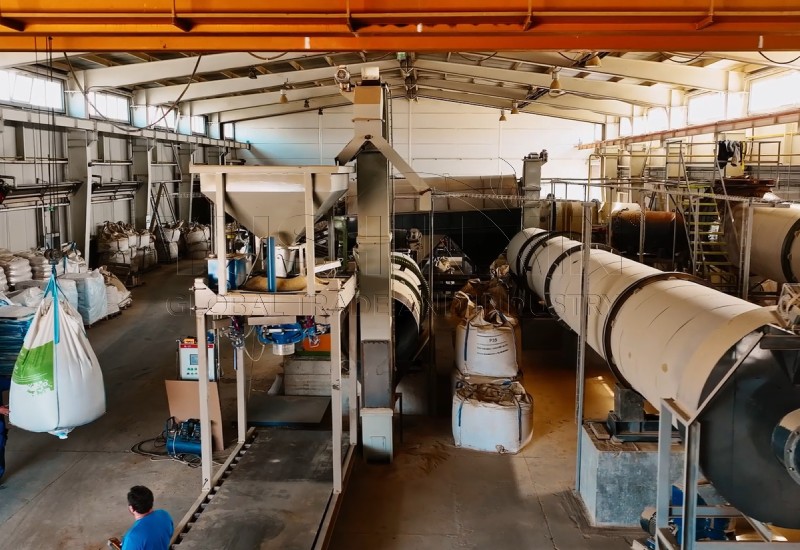
The liquid fraction requires separate treatment or utilization. Meanwhile, the solid fraction moves toward fertilizer manufacturing after meeting the required processing conditions.
Depending on the material’s moisture and physical properties, a composted biogas residue granulator can be selected as part of the downstream equipment configuration.
For more equipment details, visit: https://www.granulatedcompostsolutions.com/product/digestate-fertilizer-granule-manufacturing/
3. Select Equipment Based on Production Requirements
The biogas digestate fertilizer granules production process should coordinate with the existing biogas operation.
For example, the granulation section may include a crusher, batching system, mixer, rotary drum granulator, dryer, cooler, rotary screener, and automatic packing machine.
You should also consider material storage, conveyor connections, dust collection, odor management, and available utilities. Proper integration helps avoid unnecessary material handling and interruptions to existing operations.
4. Calculate Investment and Factory Space
The digestate granulation plant cost depends on solid digestate availability, moisture content, required capacity, equipment selection, and automation level.
Moreover, the layout should connect the existing digestate discharge point with the new fertilizer processing area. This requires checking available workshop space, equipment foundations, vehicle access, and environmental requirements.
5. Learn from an Existing Biogas Project
For reference, explore this biogas digestate fertilizer granulation solution for Germany.
It provides a relevant project reference for evaluating industrial digestate fertilizer production.
If you already operate a biogas plant, share your digestate analysis, daily output, and target fertilizer capacity with YUSHUNXIN.
Explore our digestate fertilizer production equipment and solutions to discuss an integrated granulation line designed around your existing facility.
No Responses